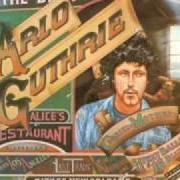









This song is called Alice's Restaurant, and it's about Alice, and the
restaurant, but Alice's Restaurant is not the name of the restaurant,
that's just the name of the song, and that's why I called the song Alice's
Restaurant.
You can get anything you want at Alice's Restaurant
You can get anything you want at Alice's Restaurant
Walk right in it's around the back
Just a half a mile from the railroad track
You can get anything you want at Alice's Restaurant
Now it all started two Thanksgivings ago, was on - two years ago on
Thanksgiving, when my friend and I went up to visit Alice at the
restaurant, but Alice doesn't live in the restaurant, she lives in the
church nearby the restaurant, in the bell-tower, with her husband Ray and
Fasha the dog. And livin' in the bell tower like that, they got a lot of
room downstairs where the pews used to be in. Havin' all that room,
seein' as how they took out all the pews, they decided that they didn't
have to take out their garbage for a long time.
We got up there, we found all the garbage in there, and we decided it'd be
a friendly gesture for us to take the garbage down to the city dump. So
we took the half a ton of garbage, put it in the back of a red VW
microbus, took shovels and rakes and implements of destruction and headed
on toward the city dump.
Well we got there and there was a big sign and a chain across across the
dump saying, "Closed on Thanksgiving." And we had never heard of a dump
closed on Thanksgiving before, and with tears in our eyes we drove off
into the sunset looking for another place to put the garbage.
We didn't find one. Until we came to a side road, and off the side of the
side road there was another fifteen foot cliff and at the bottom of the
cliff there was another pile of garbage. And we decided that one big pile
is better than two little piles, and rather than bring that one up we
decided to throw our's down.
That's what we did, and drove back to the church, had a thanksgiving
dinner that couldn't be beat, went to sleep and didn't get up until the
next morning, when we got a phone call from officer Obie. He said, "Kid,
we found your name on an envelope at the bottom of a half a ton of
garbage, and just wanted to know if you had any information about it." And
I said, "Yes, sir, Officer Obie, I cannot tell a lie, I put that envelope
under that garbage."
After speaking to Obie for about fourty-five minutes on the telephone we
finally arrived at the truth of the matter and said that we had to go down
and pick up the garbage, and also had to go down and speak to him at the
police officer's station. So we got in the red VW microbus with the
shovels and rakes and implements of destruction and headed on toward the
police officer's station.
Now friends, there was only one or two things that Obie coulda done at
the police station, and the first was he could have given us a medal for
being so brave and honest on the telephone, which wasn't very likely, and
we didn't expect it, and the other thing was he could have bawled us out
and told us never to be see driving garbage around the vicinity again,
which is what we expected, but when we got to the police officer's station
there was a third possibility that we hadn't even counted upon, and we was
both immediately arrested. Handcuffed. And I said "Obie, I don't think I
can pick up the garbage with these handcuffs on." He said, "Shut up, kid.
Get in the back of the patrol car."
And that's what we did, sat in the back of the patrol car and drove to the
quote Scene of the Crime unquote. I want tell you about the town of
Stockbridge, Massachusets, where this happened here, they got three stop
signs, two police officers, and one police car, but when we got to the
Scene of the Crime there was five police officers and three police cars,
being the biggest crime of the last fifty years, and everybody wanted to
get in the newspaper story about it. And they was using up all kinds of
cop equipment that they had hanging around the police officer's station.
They was taking plaster tire tracks, foot prints, dog smelling prints, and
they took twenty seven eight-by-ten colour glossy photographs with circles
and arrows and a paragraph on the back of each one explaining what each
one was to be used as evidence against us. Took pictures of the approach,
the getaway, the northwest corner the southwest corner and that's not to
mention the aerial photography.
After the ordeal, we went back to the jail. Obie said he was going to put
us in the cell. Said, "Kid, I'm going to put you in the cell, I want your
wallet and your belt." And I said, "Obie, I can understand you wanting my
wallet so I don't have any money to spend in the cell, but what do you
want my belt for?" And he said, "Kid, we don't want any hangings." I
said, "Obie, did you think I was going to hang myself for littering?"
Obie said he was making sure, and friends Obie was, cause he took out the
toilet seat so I couldn't hit myself over the head and drown, and he took
out the toilet paper so I couldn't bend the bars roll out the - roll the
toilet paper out the window, slide down the roll and have an escape. Obie
was making sure, and it was about four or five hours later that Alice
(remember Alice? It's a song about Alice), Alice came by and with a few
nasty words to Obie on the side, bailed us out of jail, and we went back
to the church, had a another thanksgiving dinner that couldn't be beat,
and didn't get up until the next morning, when we all had to go to court.
We walked in, sat down, Obie came in with the twenty seven eight-by-ten
colour glossy pictures with circles and arrows and a paragraph on the back
of each one, sat down. Man came in said, "All rise." We all stood up,
and Obie stood up with the twenty seven eight-by-ten colour glossy
pictures, and the judge walked in sat down with a seeing eye dog, and he
sat down, we sat down. Obie looked at the seeing eye dog, and then at the
twenty seven eight-by-ten colour glossy pictures with circles and arrows
and a paragraph on the back of each one, and looked at the seeing eye dog.
And then at twenty seven eight-by-ten colour glossy pictures with circles
and arrows and a paragraph on the back of each one and began to cry,
'cause Obie came to the realization that it was a typical case of American
blind justice, and there wasn't nothing he could do about it, and the
judge wasn't going to look at the twenty seven eight-by-ten colour glossy
pictures with the circles and arrows and a paragraph on the back of each
one explaining what each one was to be used as evidence against us. And
we was fined $50 and had to pick up the garbage in the snow, but thats not
what I came to tell you about.
Came to talk about the draft.
They got a building down New York City, it's called Whitehall Street,
where you walk in, you get injected, inspected, detected, infected,
neglected and selected. I went down to get my physical examination one
day, and I walked in, I sat down, got good and drunk the night before, so
I looked and felt my best when I went in that morning. 'Cause I wanted to
look like the all-American kid from New York City, man I wanted, I wanted
to feel like the all-, I wanted to be the all American kid from New York,
and I walked in, sat down, I was hung down, brung down, hung up, and all
kinds o' mean nasty ugly things. And I waked in and sat down and they gave
me a piece of paper, said, "Kid, see the phsychiatrist, room 604."
And I went up there, I said, "Shrink, I want to kill. I mean, I wanna, I
wanna kill. Kill. I wanna, I wanna see, I wanna see blood and go
Arlo Guthrie es un cantautor estadounidense de folk nacido en Coney Island, Nueva York, en 1947. Hijo del famoso poeta y escritor Woody Guthrie, Arlo heredó la pasión por la música y el fuerte compromiso social que caracterizan la obra de su padre. Su carrera musical comenzó en la década de 1960 con un sonido folk acústico influenciado por el movimiento revival folk. Su éxito internacional llegó en 1968 con la canción "Alice's Restaurant Massacree", una larga balada satírica que cuenta la historia de un evento real y se convierte en un himno contra la guerra de Vietnam. Guthrie es conocido por sus canciones narrativas, a menudo de gran longitud, que tratan temas sociales, políticos y ambientales. Entre sus canciones más famosas también están "Coming into Los Angeles", "City of New Orleans" y "The Motorcycle Song". Arlo Guthrie continúa actuando en vivo y grabando nuevos álbumes, siendo un ícono del folk estadounidense.

Desde los primeros días del cine, la música ha sido una parte esencial de la experiencia cinematográfica. La música en películas puede crear emociones, realzar escenas, y transportar a los espectadores a mundos imaginarios.

El 22 de agosto es un día especial para los fanáticos de la música en todo el mundo, ya que marca el cumpleaños de una de las estrellas pop más brillantes y talentosas de nuestra época: Dua Lipa

El Caribe, esa región de belleza paradisíaca y diversidad cultural, es también la cuna de algunos de los géneros musicales más emocionantes y entrañables del mundo.

En un movimiento que sacudió la industria musical, Universal Music Group ha anunciado recientemente la adquisición de Chabaka Music

La música es un lenguaje universal que trasciende barreras culturales y lingüísticas. Puede emocionarnos, inspirarnos y, lo que es más importante, ayudarnos a aprender un nuevo idioma de una manera divertida y efectiva.
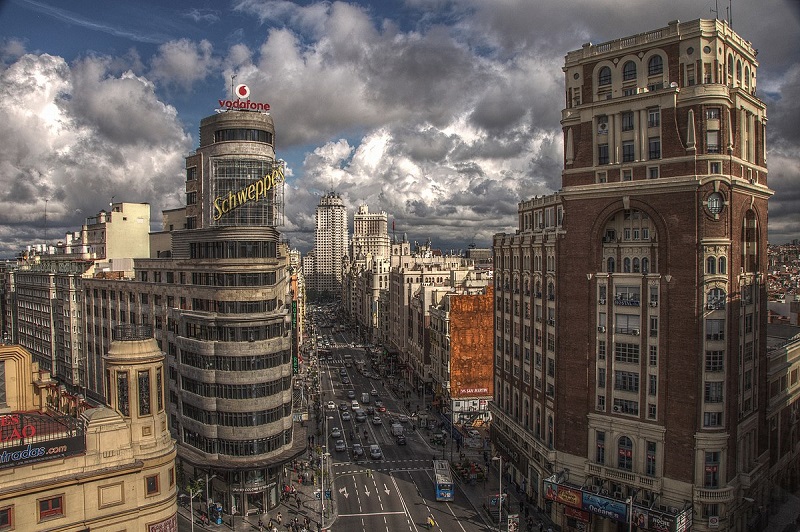
Madrid ofrece una amplia gama de géneros musicales que deleitan a lugareños y visitantes por igual. Con una escena musical diversa y vibrante, Madrid es un destino imprescindible para los amantes de la música.

La Music Session 53 fue un evento musical que reunió a varios artistas reconocidos de la música latina en el año 2018. Entre ellos, destacaron Shakira y Gerard Piqué, quienes realizaron una presentación memorable que dejó al público emocionado y maravillado.

Afinar una guitarra es importante para poder tocar correctamente y para que los acordes suenen bien.
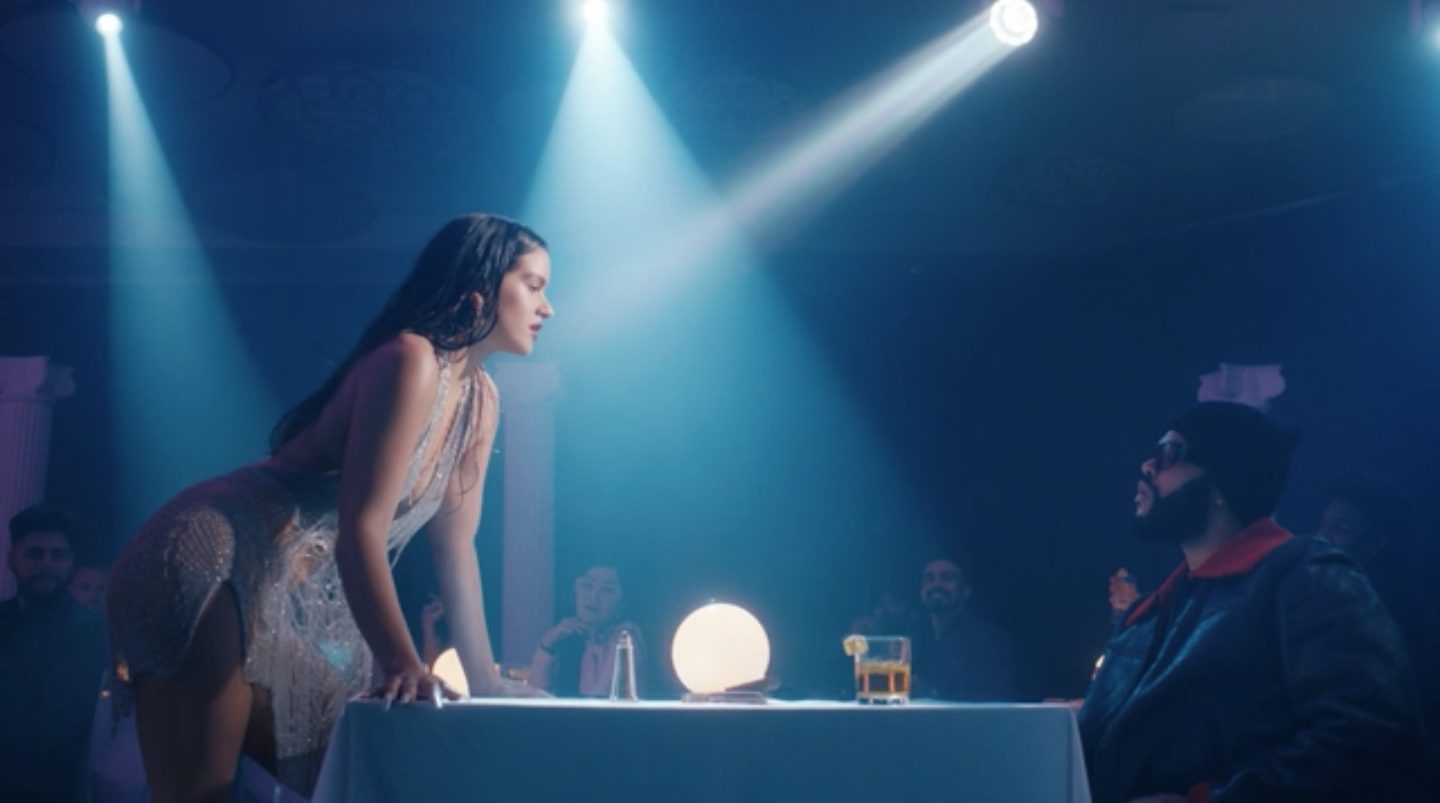
La catalana amante de los ritmos andaluces por fin está a punto de volver. Dos años y medio después de su último disco "El mal querer" en 2018, con el que ganó los Grammy, Rosalía vuelve a la escena.

 Phyllis Nelson
 The Bled
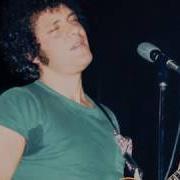 Mike Bloomfield
 Supreme Beings Of Leisure
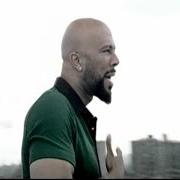 Common
 Ashnikko
 Annuals
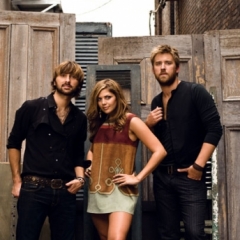 Lady Antebellum
 Alien Ant Farm
 Metal Church
 Tommy Olivencia
 Alisan Porter