








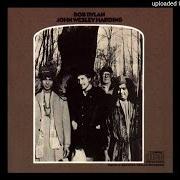
Well, Frankie Lee and Judas Priest,
They were the best of friends.
So when Frankie Lee needed money one day,
Judas quickly pulled out a roll of tens
And placed them on a footstool
Just above the plotted plain,
Sayin', Take your pick, Frankie Boy,
My loss will be your gain.
Well, Frankie Lee, he sat right down
And put his fingers to his chin,
But with the cold eyes of Judas on him,
His head began to spin.
Would ya please not stare at me like that, he said,
It's just my foolish pride,
But sometimes a man must be alone
And this is no place to hide.
Well, Judas, he just winked and said,
All right, I'll leave you here,
But you'd better hurry up and choose
Which of those bills you want,
Before they all disappear.
I'm gonna start my pickin' right now,
Just tell me where you'll be.
Judas pointed down the road
And said, Eternity!
Eternity? said Frankie Lee,
With a voice as cold as ice.
That's right, said Judas Priest, Eternity,
Though you might call it 'Paradise.'
I don't call it anything,
Said Frankie Lee with a smile.
All right, said Judas Priest,
I'll see you after a while.
Well, Frankie Lee, he sat back down,
Feelin' low and mean,
When just then a passing stranger
Burst upon the scene,
Saying, Are you Frankie Lee, the gambler,
Whose father is deceased?
Well, if you are,
There's a fellow callin' you down the road
And they say his name is Priest.
Oh, yes, he is my friend,
Said Frankie Lee in fright,
I do recall him very well,
In fact, he just left my sight.
Yes, that's the one, said the stranger,
As quiet as a mouse,
Well, my message is, he's down the road,
Stranded in a house.
Well, Frankie Lee, he panicked,
He dropped ev'rything and ran
Until he came up to the spot
Where Judas Priest did stand.
What kind of house is this, he said,
Where I have come to roam?
It's not a house, said Judas Priest,
It's not a house . . . it's a home.
Well, Frankie Lee, he trembled,
He soon lost all control
Over ev'rything which he had made
While the mission bells did toll.
He just stood there staring
At that big house as bright as any sun,
With four and twenty windows
And a woman's face in ev'ry one.
Well, up the stairs ran Frankie Lee
With a soulful, bounding leap,
And, foaming at the mouth,
He began to make his midnight creep.
For sixteen nights and days he raved,
But on the seventeenth he burst
Into the arms of Judas Priest,
Which is where he died of thirst.
No one tried to say a thing
When they took him out in jest,
Except, of course, the little neighbor boy
Who carried him to rest.
And he just walked along, alone,
With his guilt so well concealed,
And muttered underneath his breath,
Nothing is revealed.
Well, the moral of the story,
The moral of this song,
Is simply that one should never be
Where one does not belong.
So when you see your neighbor carryin' somethin',
Help him with his load,
And don't go mistaking Paradise
For that home across the road.
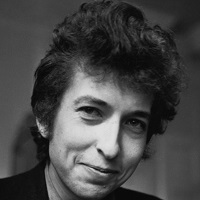
Bob Dylan, nacido Robert Allen Zimmerman en Duluth, Minnesota el 24 de mayo de 1941, es un cantautor, compositor, escritor, poeta, pintor, actor y locutor de radio estadounidense. Considerado una de las figuras más influyentes de los últimos cincuenta años en música, cultura popular y literatura, Dylan ha marcado profundamente la historia de la música americana. Su carrera comenzó en la década de 1960, cuando se convirtió en una figura clave del movimiento de protesta estadounidense. Canciones como "Blowin' in the Wind" y "The Times They Are A-Changin'" se convirtieron en himnos para los movimientos pacifistas y por los derechos civiles. Las letras de sus primeras canciones abordaban temas políticos, sociales y filosóficos, influenciados por autores literarios como Walt Whitman y William Blake, desafiando las convenciones de la música pop y apelando a la contracultura de la época. A lo largo de los años, Dylan ha ampliado y personalizado su estilo musical, explorando géneros como el country, el blues, el rock y el gospel. Entre sus álbumes más importantes: "The Freewheelin' Bob Dylan" (1963), "Bringing It All Back Home" (1965) y "Highway 61 Revisited" (1965). En 1976 publicó el álbum "Desire", que marcó un nuevo capítulo en su carrera con influencias de blues y country. En 2016 recibió el Premio Nobel de Literatura «por haber creado nuevas expresiones poéticas dentro del gran universo de la canción americana».

Desde los primeros días del cine, la música ha sido una parte esencial de la experiencia cinematográfica. La música en películas puede crear emociones, realzar escenas, y transportar a los espectadores a mundos imaginarios.

El 22 de agosto es un día especial para los fanáticos de la música en todo el mundo, ya que marca el cumpleaños de una de las estrellas pop más brillantes y talentosas de nuestra época: Dua Lipa

El Caribe, esa región de belleza paradisíaca y diversidad cultural, es también la cuna de algunos de los géneros musicales más emocionantes y entrañables del mundo.

En un movimiento que sacudió la industria musical, Universal Music Group ha anunciado recientemente la adquisición de Chabaka Music

La música es un lenguaje universal que trasciende barreras culturales y lingüísticas. Puede emocionarnos, inspirarnos y, lo que es más importante, ayudarnos a aprender un nuevo idioma de una manera divertida y efectiva.
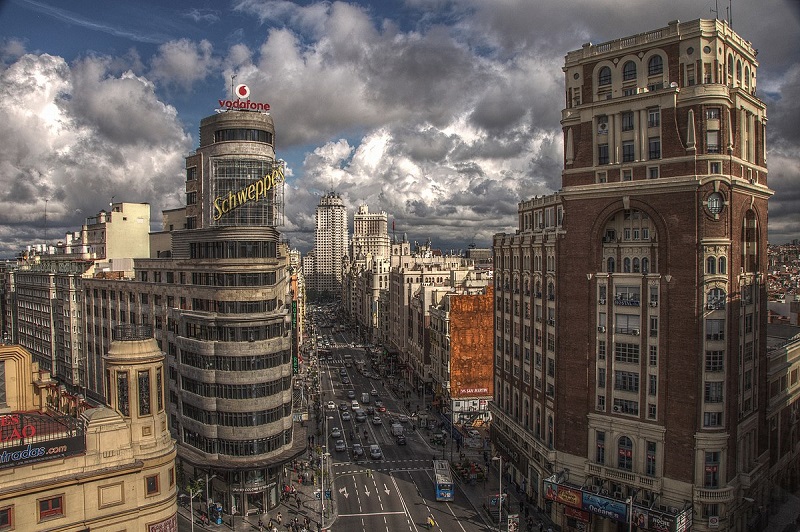
Madrid ofrece una amplia gama de géneros musicales que deleitan a lugareños y visitantes por igual. Con una escena musical diversa y vibrante, Madrid es un destino imprescindible para los amantes de la música.

La Music Session 53 fue un evento musical que reunió a varios artistas reconocidos de la música latina en el año 2018. Entre ellos, destacaron Shakira y Gerard Piqué, quienes realizaron una presentación memorable que dejó al público emocionado y maravillado.
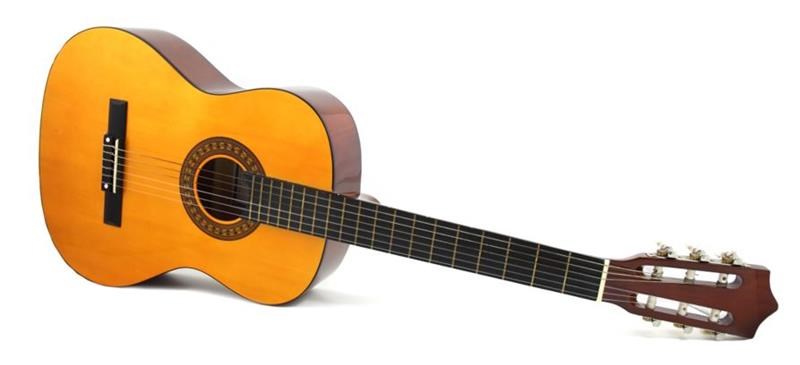
Afinar una guitarra es importante para poder tocar correctamente y para que los acordes suenen bien.
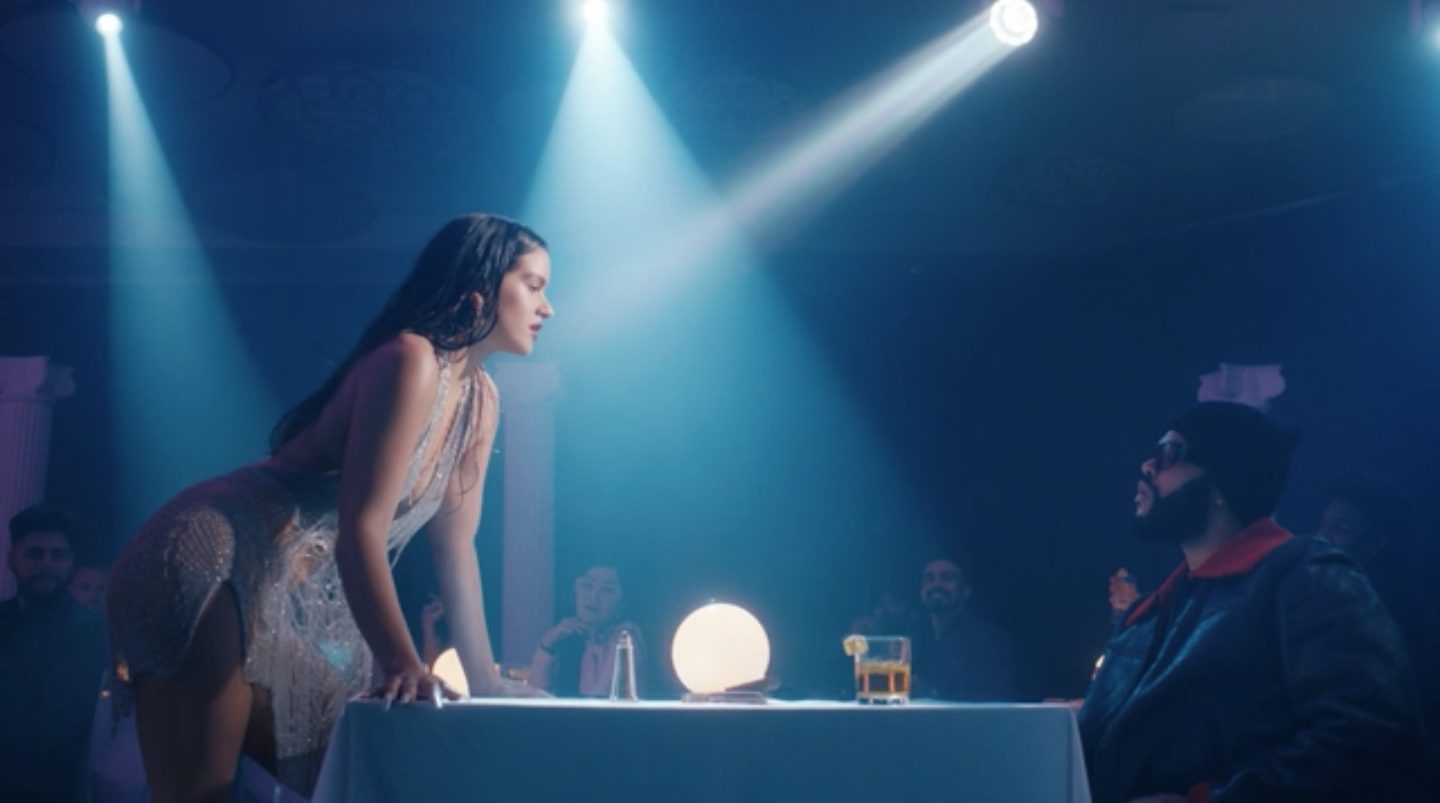
La catalana amante de los ritmos andaluces por fin está a punto de volver. Dos años y medio después de su último disco "El mal querer" en 2018, con el que ganó los Grammy, Rosalía vuelve a la escena.

 Buddy Miller
 Lil' Zane
 Lil Darkie
 The Forecast
 Modern Day Escape
 My American Heart
 Sammie
 Kennyhoopla
 The Residents
 Next
Next
 Run The Jewels
 Kota The Friend