




Last year, I was on a twin-engine plane coming from Milwaukee to New York City. Just over La Guardia, one of the engines conked out and we started to drop straight down, flipping over and over. Then the other engine died: and we went completely out of control. New York City started getting taller and taller. A voice came over the intercom and said:
Our pilot has informed us that we are about to attempt a crash landing.
Please extinguish all cigarettes. Place your tray tables in their upright, locked position.
Your Captain says: Please do not panic.
Your Captain says: Place your head in your hands.
Captain says: Place your head on your knees.
Captain says: Put your hands on your head. Put your hands on your knees! (heh-heh)
This is your Captain.
Have you lost your dog?
We are going down.
We are all going down, together.
As it turned out, we were caught in a downdraft and rammed into a bank. It was, in short, a miracle. But afterwards I was terrified of getting onto planes. The moment I started walking down that aisle, my eyes would clamp shut and I would fall into a deep, impenetrable sleep.
(YOU DON’T WANT TO SEE THIS ...
YOU DON’T WANT TO BE HERE ...
HAVE YOU LOST YOUR DOG?)
Finally, I was able to remain conscious, but I always had to go up to the forward cabin and ask the stewardesses if I could sit next to them: “Hi! Uh, mind if I join you?” They were always rather irritated--“Oh, all right (what a baby)”--and I watched their uniforms crack as we made nervous chitchat.
Sometimes even this didn’t work, and I’d have to find one of the other passengers to talk to. You can spot these people immediately. There’s one on every flight. Someone who’s really on _your_ wavelength.I was on a flight from L.A. when I spotted one of them, sitting across the aisle. A girl, about fifteen. And she had this stuffed rabbit set up on her tray table and she kept arranging and rearranging the rabbit and kind of waving to it: “Hi!”
“Hi there!”
And I decided: This is the one _I_ want to sit next to. So I sat down and we started to talk and suddenly I realized she was speaking an entirely different language. Computerese.
A kind of high-tech lingo.
Everything was circuitry, electronics, switching.
If she didn’t understand something, it just “didn’t scan.”
We talked mostly about her boyfriend. This guy was never in a bad mood. He was in a bad mode.
Modey kind of a guy.
The romance was apparently kind of rocky and she kept saying: “Man oh man you know like it’s so digital!” She just meant the relationship was on again, off again.
Always two things switching.
Current runs through bodies and then it doesn’t.
It was a language of sounds, of noise, of switching, of signals.
It was the language of the rabbit, the caribou, the penguin, the beaver.
A language of the past.
Current runs through bodies and then it doesn’t.
On again.
Off again.
Always two things switching.
One thing instantly replaces another.
It was the language of the Future.
Put your knees up to your chin.
Have you lost your dog?
Put your hands over your eyes.
Jump out of the plane.
There is no pilot.
You are not alone.
This is the language of the on-again off-again future.
And it is Digital.
And I answered the phone and I heard a voice and the voice said:
Please do not hang up.
We know who you are.
Please do not hang up.
We know what you have to say.
Please do not hang up.
We know what you want.
Please do not hang up.
We’ve got your number:
One ...
Two ...
Three ...
Four.
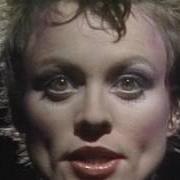
Laurie Anderson (nata Laura Phillips Anderson) è un'artista americana poliedrica, nota per la sua musica sperimentale, le performance teatrali innovative e l'utilizzo di tecnologie elettroniche. Nata nel 1947 a New York, ha iniziato la sua carriera negli anni '70 come musicista avant-garde, combinando elementi di musica classica, jazz e elettronica con testi poetici e narrazioni surreali. La sua performance iconica "O Superman" (1981) le ha conferito fama internazionale, raggiungendo il successo nelle classifiche musicali e anticipando l'uso di sintetizzatori e campionamenti nella musica pop. Anderson è stata una pioniera nell'integrazione di tecnologia e arte, utilizzando computer, video e strumenti elettronici per creare spettacoli multimediali coinvolgenti. Tra i suoi album più importanti figurano "Big Science" (1982), "Home of the Brave" (1986) e "Bright Red" (2005). Oltre alla musica, Anderson ha lavorato anche al cinema, alla televisione e al teatro, ricevendo numerosi premi per le sue creazioni artistiche. Tra i suoi brani più rappresentativi ricordiamo "O Superman", "Walking on the Moon", "Sharkey's Day" e "The Ugly One".
Desde los primeros días del cine, la música ha sido una parte esencial de la experiencia cinematográfica. La música en películas puede crear emociones, realzar escenas, y transportar a los espectadores a mundos imaginarios.
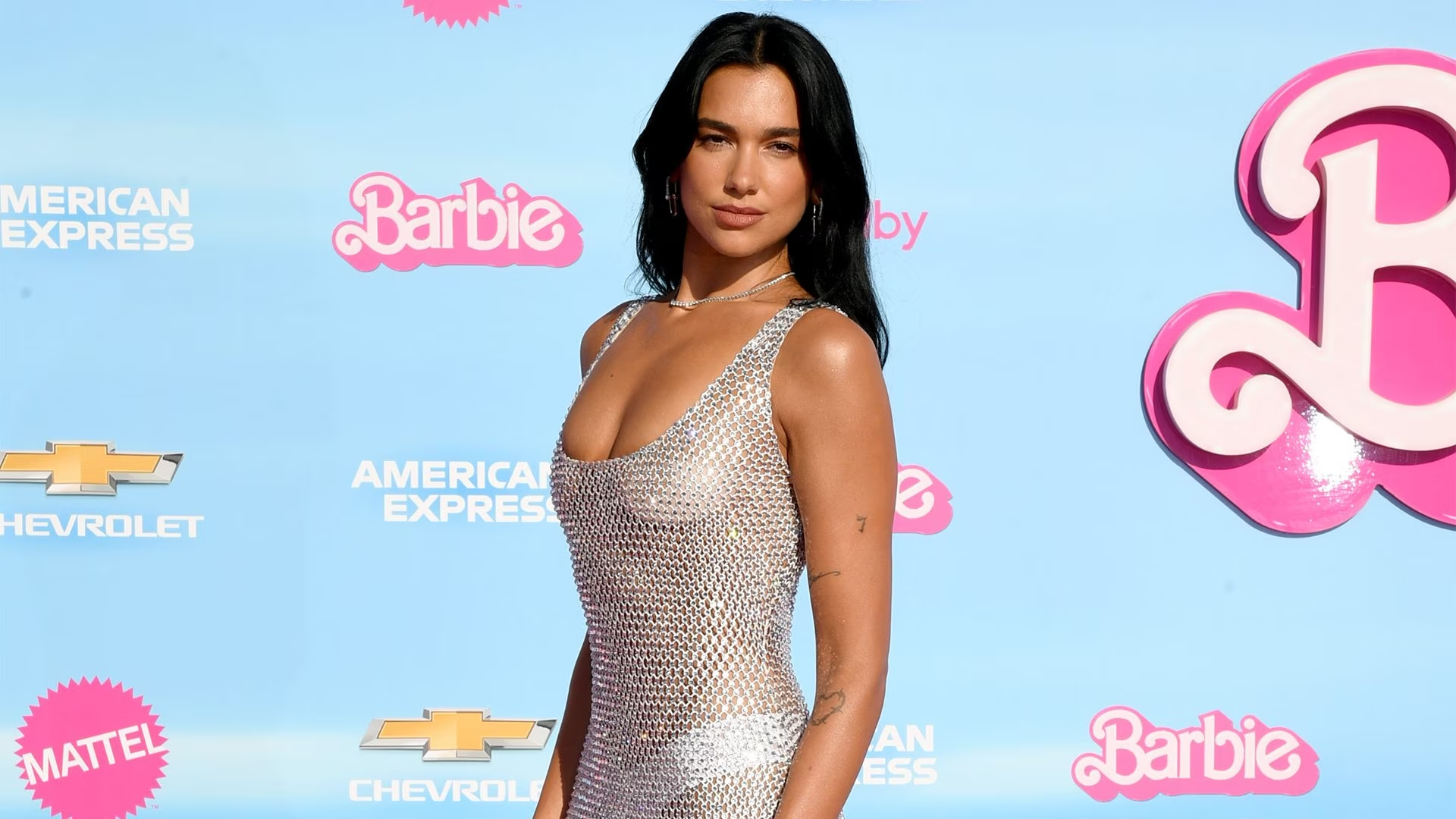
El 22 de agosto es un día especial para los fanáticos de la música en todo el mundo, ya que marca el cumpleaños de una de las estrellas pop más brillantes y talentosas de nuestra época: Dua Lipa
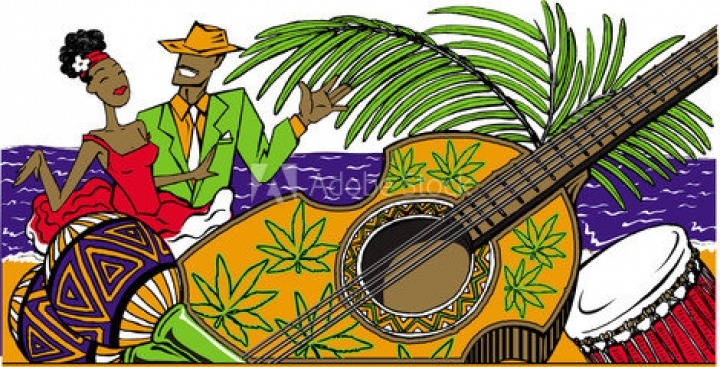
El Caribe, esa región de belleza paradisíaca y diversidad cultural, es también la cuna de algunos de los géneros musicales más emocionantes y entrañables del mundo.

En un movimiento que sacudió la industria musical, Universal Music Group ha anunciado recientemente la adquisición de Chabaka Music
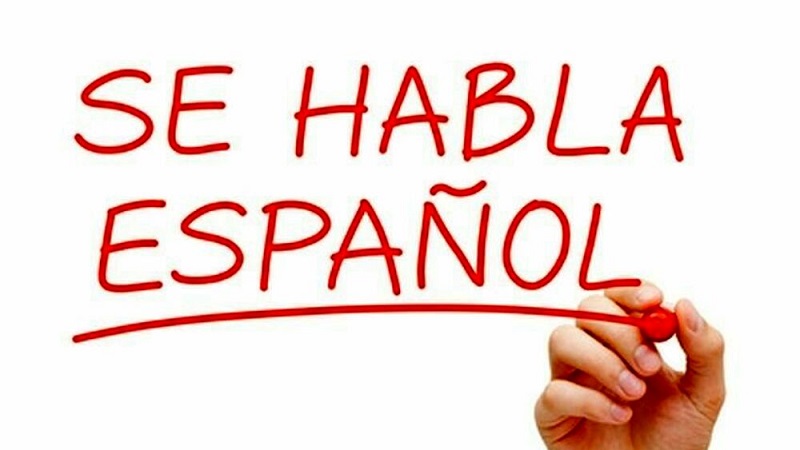
La música es un lenguaje universal que trasciende barreras culturales y lingüísticas. Puede emocionarnos, inspirarnos y, lo que es más importante, ayudarnos a aprender un nuevo idioma de una manera divertida y efectiva.
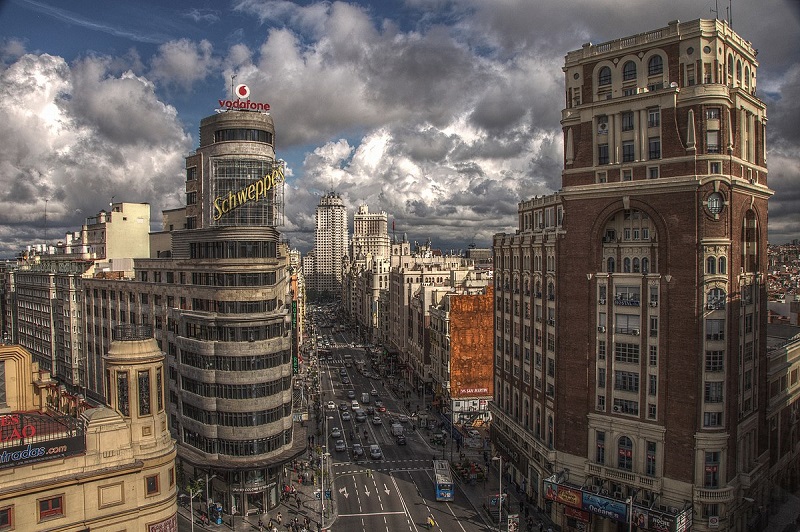
Madrid ofrece una amplia gama de géneros musicales que deleitan a lugareños y visitantes por igual. Con una escena musical diversa y vibrante, Madrid es un destino imprescindible para los amantes de la música.
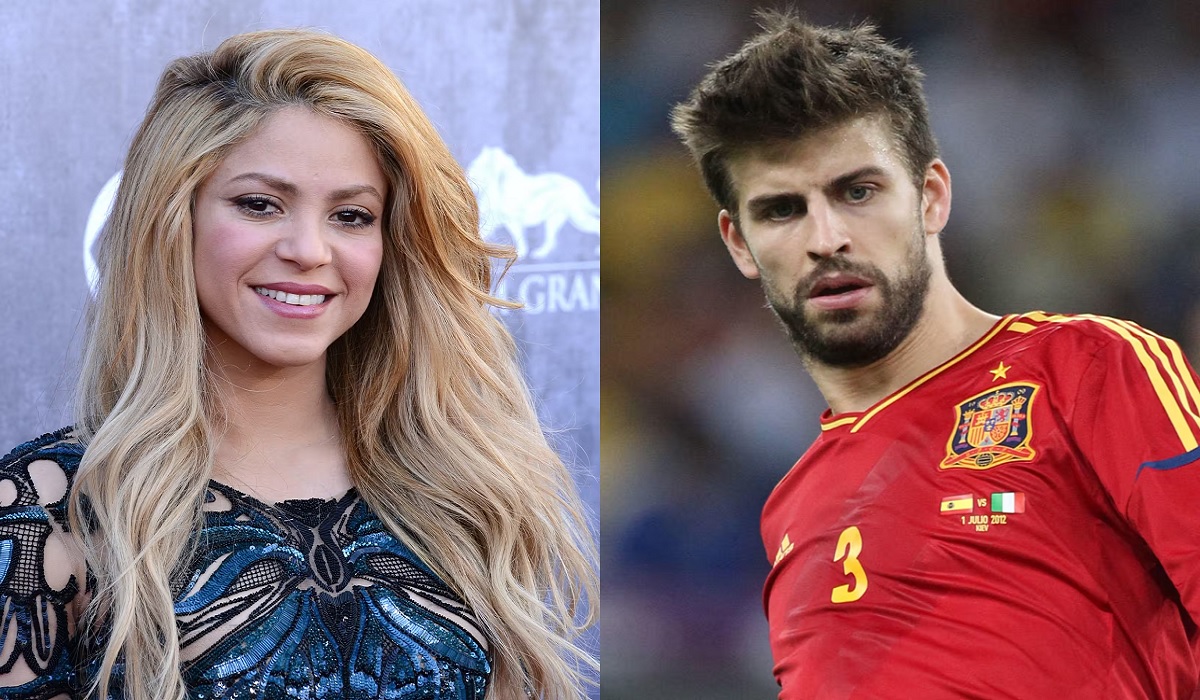
La Music Session 53 fue un evento musical que reunió a varios artistas reconocidos de la música latina en el año 2018. Entre ellos, destacaron Shakira y Gerard Piqué, quienes realizaron una presentación memorable que dejó al público emocionado y maravillado.
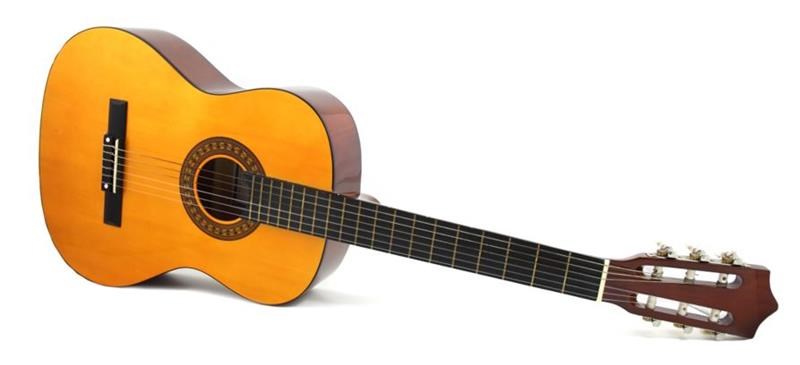
Afinar una guitarra es importante para poder tocar correctamente y para que los acordes suenen bien.
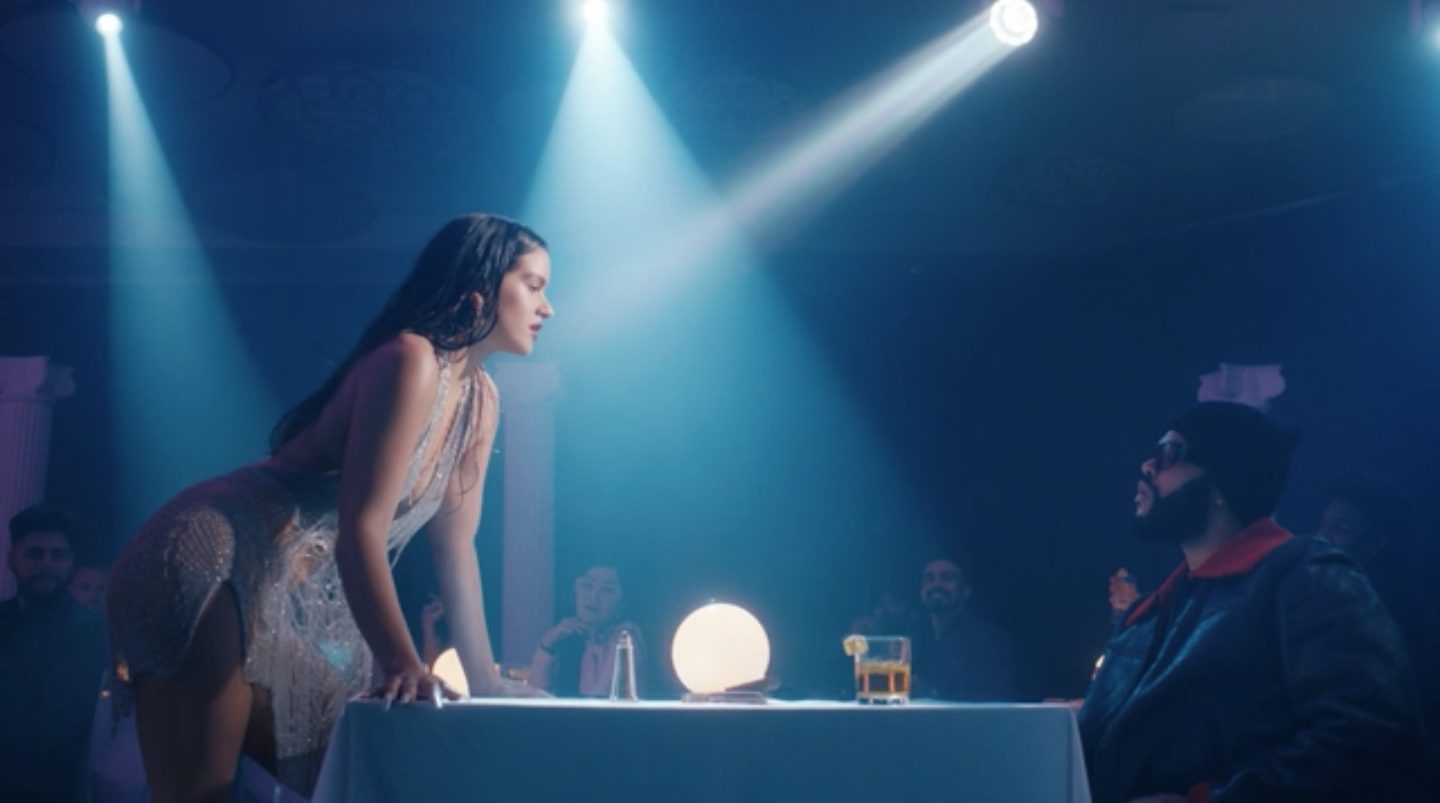
La catalana amante de los ritmos andaluces por fin está a punto de volver. Dos años y medio después de su último disco "El mal querer" en 2018, con el que ganó los Grammy, Rosalía vuelve a la escena.

 I Am Abomination
 Sense Field
 Ruth Etting
 Savoy Brown
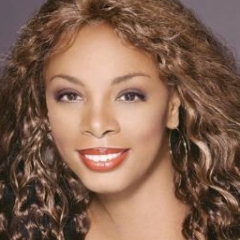 Donna Summer
 Carter Family
 John Stewart
 American Authors
 Forgive-Me-Not
 Carman
 Slaughterhouse
 Eli Young Band