





The summer of 1974 was brutally hot in New York and I kept thinking about how nice and icy it must be at the North Pole. And then I though, “Wait a second, why not go?� You know, like in cartoons where they hang going to the North Pole on their door knobs and they just take off.
So I spent a couple of weeks preparing for the trip, getting a hatchet, a huge backpack, maps, knives, sleeping bags, lures and a three month supply of Banic, a versatile high-protein paste that can be made into flat bread, biscuits or cereal.
Now I had decided to hitch hike and one day I just walked out onto Austin Street, weighing down seventy pounds of gear, and stuck out my thumb.
— Going North? I asked the driver as I struggled into a station wagon.
After I got out of New York, most of the rides were trucks until I reached the Hudson Bay and began to hitch in small mail planes. The pilots were usually guys who'd gone to Canada to avoid the draft or else embittered Vietnam vets who never wanted to go home again. Either way they always wanted to show off a few of their stunts. We'd go swooping along the rivers doing loop do loops and baby ###080152. And they'd drop me off at an airstrip. “There'll be another plane by here couple of weeks; see ya; good luck.�
I never did make it all the way to the geographic pole; it turned out to be a restricted area and no one was allowed to fly in or even over it. I did get within a few miles of the magnetic pole though. So it wasn't really that disappointing. I entertained myself in the evenings, cooking or smoking, and watching the blazing light of the huge Canadian sunsets as they turned the lake into fire.
Later I lay on by back, looking up at the Northern lights and imagining there'd been a nuclear holocaust and that I was the only human being left in all of North America and what would I do then.
And then, when these lights went out, I stretched out on the ground, watching the stars as they turned around and their enormous silent ###080318.
I finally decided to turn back because of my hatchet. I'd been chopping some wood and the hatchet flew out of my hand on the upswing. And I did what you should never do when this happens: I looked up to see where it had gone and it came down — fffooo — just missing my head and I thought, “My God! I could be working around here with a hatchet embedded in my skull and I'm ten miles from the airstrip. And nobody in the whole world knows where I am.�
Daddy Daddy, it was just like you said
Now that the living outnumber the dead
Where I come from it's a long thin thread
Across an ocean. Down a river of red
Now that the living outnumber the dead
Speak my language
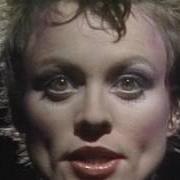
Laurie Anderson (nata Laura Phillips Anderson) è un'artista americana poliedrica, nota per la sua musica sperimentale, le performance teatrali innovative e l'utilizzo di tecnologie elettroniche. Nata nel 1947 a New York, ha iniziato la sua carriera negli anni '70 come musicista avant-garde, combinando elementi di musica classica, jazz e elettronica con testi poetici e narrazioni surreali. La sua performance iconica "O Superman" (1981) le ha conferito fama internazionale, raggiungendo il successo nelle classifiche musicali e anticipando l'uso di sintetizzatori e campionamenti nella musica pop. Anderson è stata una pioniera nell'integrazione di tecnologia e arte, utilizzando computer, video e strumenti elettronici per creare spettacoli multimediali coinvolgenti. Tra i suoi album più importanti figurano "Big Science" (1982), "Home of the Brave" (1986) e "Bright Red" (2005). Oltre alla musica, Anderson ha lavorato anche al cinema, alla televisione e al teatro, ricevendo numerosi premi per le sue creazioni artistiche. Tra i suoi brani più rappresentativi ricordiamo "O Superman", "Walking on the Moon", "Sharkey's Day" e "The Ugly One".
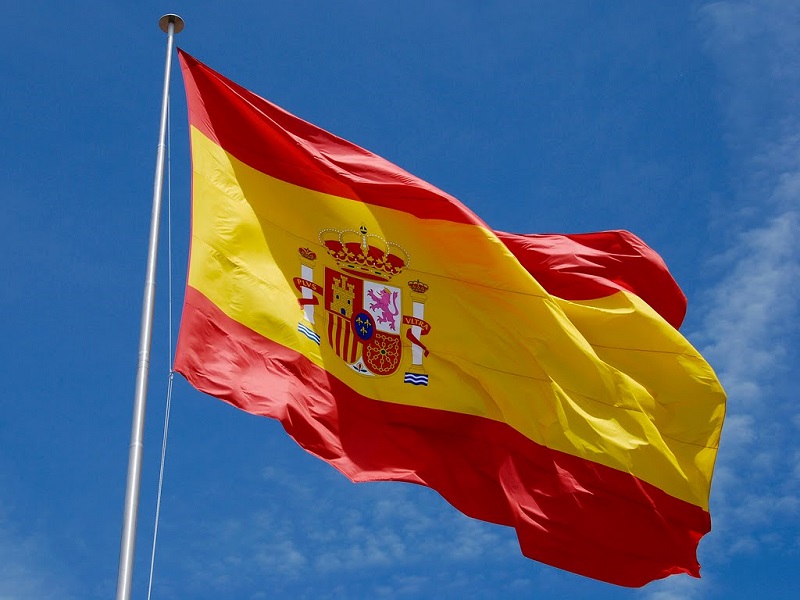
Desde los primeros días del cine, la música ha sido una parte esencial de la experiencia cinematográfica. La música en películas puede crear emociones, realzar escenas, y transportar a los espectadores a mundos imaginarios.
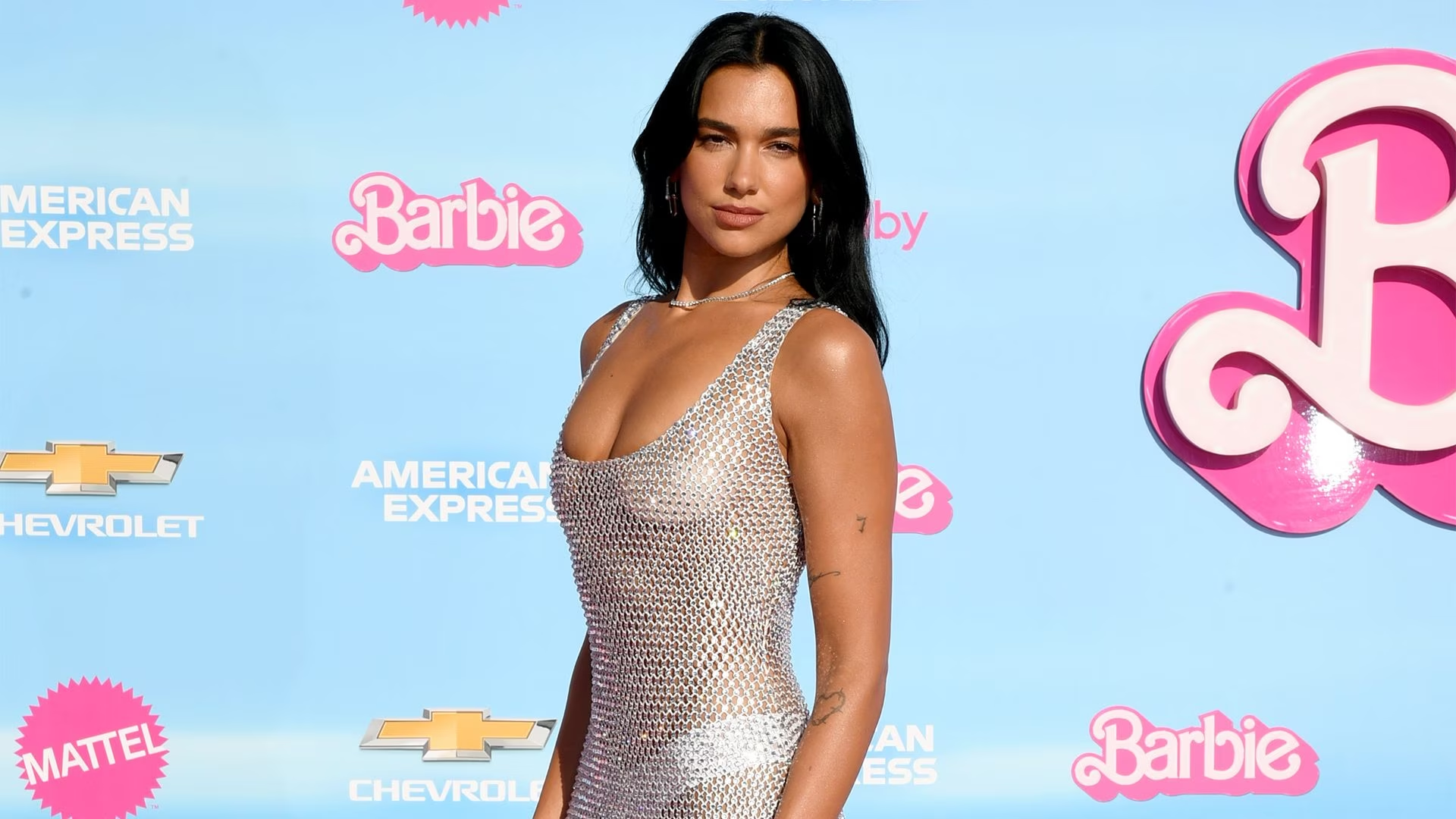
El 22 de agosto es un día especial para los fanáticos de la música en todo el mundo, ya que marca el cumpleaños de una de las estrellas pop más brillantes y talentosas de nuestra época: Dua Lipa

El Caribe, esa región de belleza paradisíaca y diversidad cultural, es también la cuna de algunos de los géneros musicales más emocionantes y entrañables del mundo.

En un movimiento que sacudió la industria musical, Universal Music Group ha anunciado recientemente la adquisición de Chabaka Music
La música es un lenguaje universal que trasciende barreras culturales y lingüísticas. Puede emocionarnos, inspirarnos y, lo que es más importante, ayudarnos a aprender un nuevo idioma de una manera divertida y efectiva.
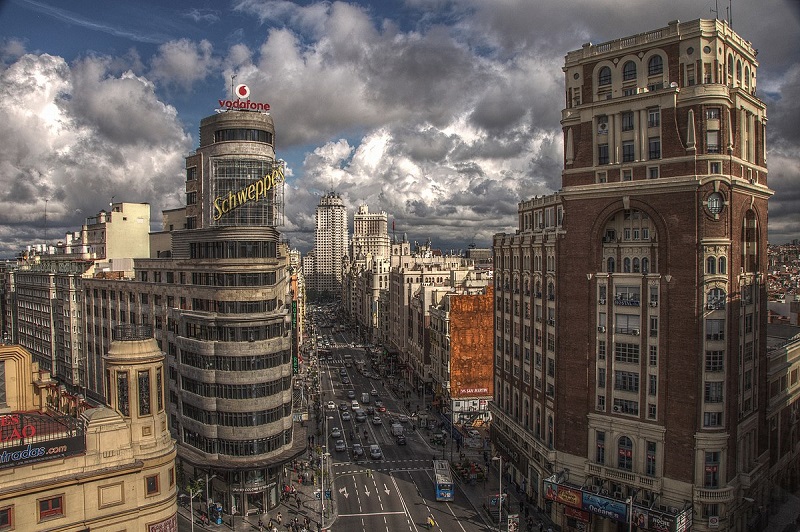
Madrid ofrece una amplia gama de géneros musicales que deleitan a lugareños y visitantes por igual. Con una escena musical diversa y vibrante, Madrid es un destino imprescindible para los amantes de la música.

La Music Session 53 fue un evento musical que reunió a varios artistas reconocidos de la música latina en el año 2018. Entre ellos, destacaron Shakira y Gerard Piqué, quienes realizaron una presentación memorable que dejó al público emocionado y maravillado.
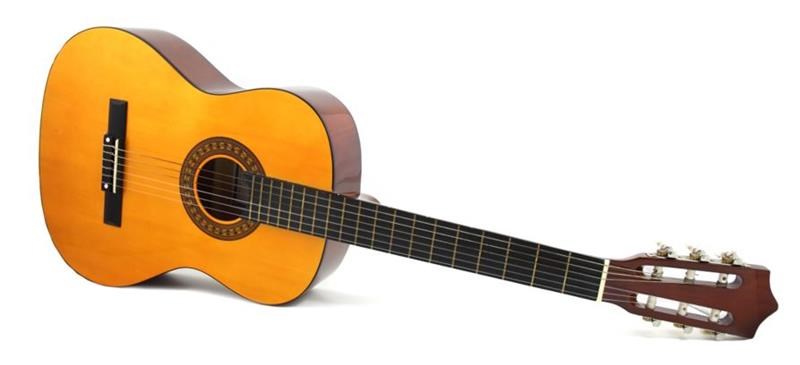
Afinar una guitarra es importante para poder tocar correctamente y para que los acordes suenen bien.
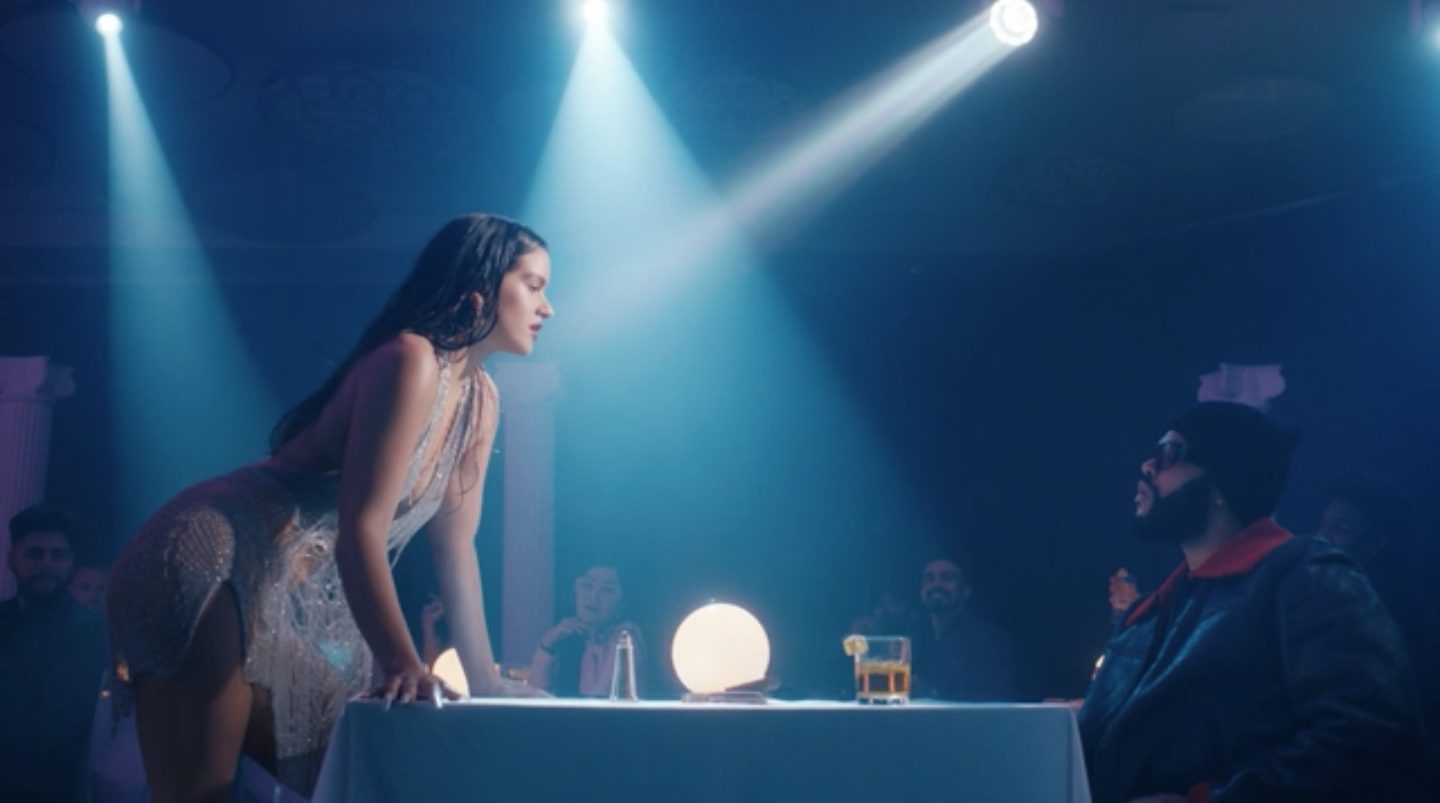
La catalana amante de los ritmos andaluces por fin está a punto de volver. Dos años y medio después de su último disco "El mal querer" en 2018, con el que ganó los Grammy, Rosalía vuelve a la escena.

 Louis The Child
 Kevin Michael
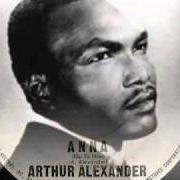 Arthur Alexander
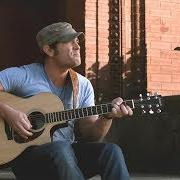 Jerrod Niemann
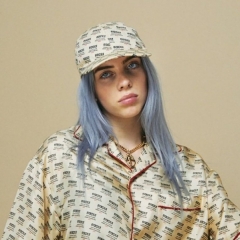 Billie Eilish
 Desert Sessions
 Naughty By Nature
 Sounds Like Violence
 Showoff
 The Ataris
 Carl Thomas
 The Roches