






AmerigoAmerigo He probably got out closing the green door behind his shoulders,
Someone in the meanwhile had got up to prepare him a barley coffee
I don't know if he turn'd, he was no man so easily lost in regret
Regret is for the rich, and he went on his way without effort
When I got to know him, my first image was that of an old man
Or he look'd old to me, but at that time I was still a young child
I was struck by his bald head and by a mysterious, strange thing
A truss that made him look like a cop with his gun in the holster
But he did feel that morning something new towards his family home
And not to think of it, he had drunken wine for his first time
Hard words to his father, with hunger and escapes in the background
And as for his work, he was a prey to his ancient fatalism
But he was twenty years old, and there was no wrinkle on his front
But anger and adventure, and some vague ideas of socialism
He already got on his face the oil smell and saltiness of Le Havre He already got in his mouth the dusty smell of blown up mines.
America was in my thought Rooseveltàs GIs, the Fifth Army, America was Atlantis, America was my heart and my destiny
America was "Life" with its clean-toothed smiles on glossy paper
America, the phantastic, mysterious dreamland of Donald Duck At that time I saw America as a blessed nation, a world of peace,
A paradise lost in sharp melancholy, a slow neurosis
And Gunga-Din and Ringo, the heroes of Casablanca and Fort Apache A dream lull'd by the obsessive and incessant sound of Limentra I don't know what he was feeling when New York appeared from the ship
A forest of skyscrapers, a town of shit and streets, cries, a castle! And Pàvana, only a memory left in chestnut woods of the Appennines English sounded strange to him and pierced him in the breast like a dagger
And ev?ry day he had to work hard and sweat blood from dawn till sunset
Years and years like in jail, beer, prostitutes, hard days
Irishmen and Negroes, Poles and Italians in the coal mines
Sweat and anthracite in Pennsylvania, Arkansas, Texas, Missouri... He came back, as many would do, with his nest-egg and his youth lost in vain
America was only a corner, America was only a shadowy haze
America was a hernia, a dirty trick like any that life plays on And saying "boss" for "capo", and "ton" for "tonnellata", "rifle" for "fucile" When I got to know him my first image was that of an old man
As any young man does, I used to pass by without stopping and looking
And I couldn't understand, that man was my own face reflectàd in a mirror
Untill the time will come, that we'll meet again despite of a? things
Untill the time will come, that we'll meet again despite of a? things
Untill the time will come, that we'll meet again despite of a? things!
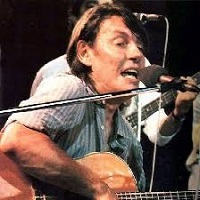
Fabrizio De André (Génova, 18 de febrero de 1940 – 27 de enero de 1999) fue uno de los cantautoras italianos más influyentes y originales del siglo XX. Hijo de una familia burguesa genovesa, De André se acercó a la música desde joven, influenciado por artistas como Brassens y el jazz. Después de un período de estudios universitarios interrumpidos, comenzó a actuar en clubes genoveses junto a amigos como Tenco y Bindi. Su primer álbum, "La canción del sol", salió en 1967 y marcó el inicio de una carrera extraordinaria. De André se distinguió por su poética compleja y refinada, a menudo centrada en temas sociales y políticos, pero también en la vida cotidiana y las emociones humanas. Sus canciones se caracterizan por melodías originales y arreglos innovadores, que abarcan desde el folk hasta el rock progresivo. Entre sus álbumes más importantes se encuentran "El pescador", "La tierra de los caquis", "No tengo miedo" y "Almas muertas". De André colaboró con numerosos artistas, entre ellos Paolo Conte, Francesco De Gregori y Carmen Consoli. Su música ha influenciado a generaciones de cantautoras italianas y continúa siendo apreciada por su profundidad y originalidad. Algunos de sus temas más representativos son: "La canción del sol", "El pescador", "Bajo el signo de Marte", "Don Quijote".
Desde los primeros días del cine, la música ha sido una parte esencial de la experiencia cinematográfica. La música en películas puede crear emociones, realzar escenas, y transportar a los espectadores a mundos imaginarios.

El 22 de agosto es un día especial para los fanáticos de la música en todo el mundo, ya que marca el cumpleaños de una de las estrellas pop más brillantes y talentosas de nuestra época: Dua Lipa
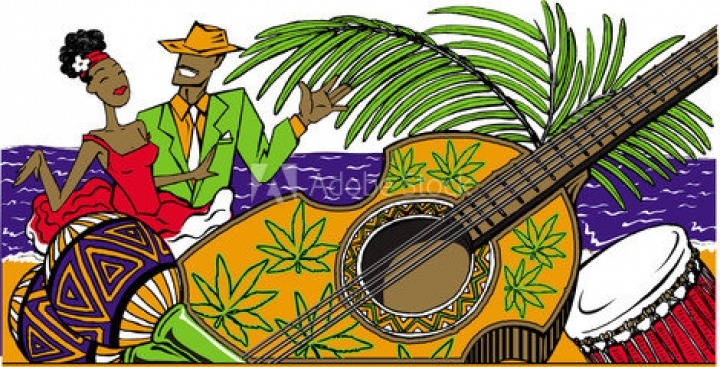
El Caribe, esa región de belleza paradisíaca y diversidad cultural, es también la cuna de algunos de los géneros musicales más emocionantes y entrañables del mundo.

En un movimiento que sacudió la industria musical, Universal Music Group ha anunciado recientemente la adquisición de Chabaka Music
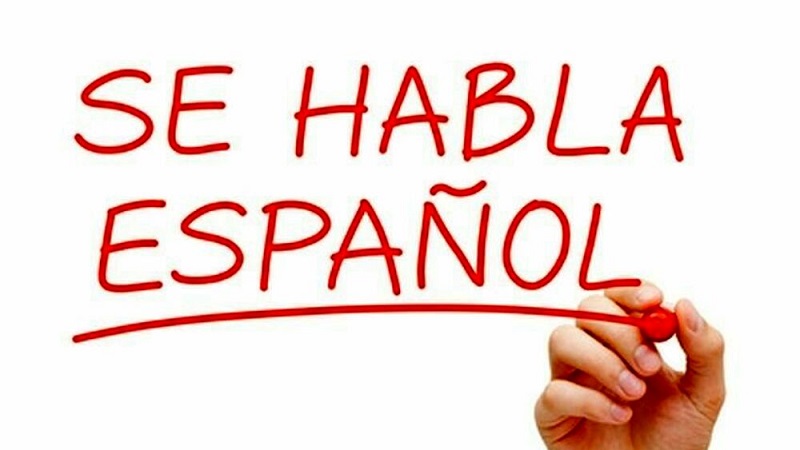
La música es un lenguaje universal que trasciende barreras culturales y lingüísticas. Puede emocionarnos, inspirarnos y, lo que es más importante, ayudarnos a aprender un nuevo idioma de una manera divertida y efectiva.
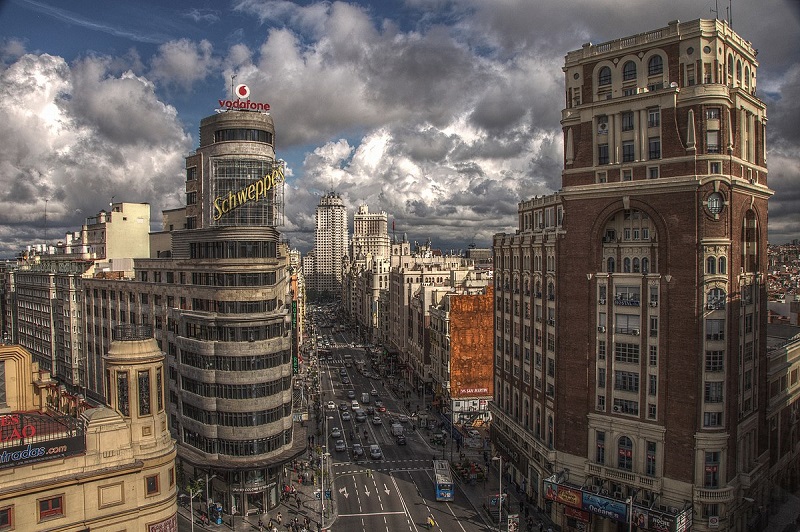
Madrid ofrece una amplia gama de géneros musicales que deleitan a lugareños y visitantes por igual. Con una escena musical diversa y vibrante, Madrid es un destino imprescindible para los amantes de la música.

La Music Session 53 fue un evento musical que reunió a varios artistas reconocidos de la música latina en el año 2018. Entre ellos, destacaron Shakira y Gerard Piqué, quienes realizaron una presentación memorable que dejó al público emocionado y maravillado.
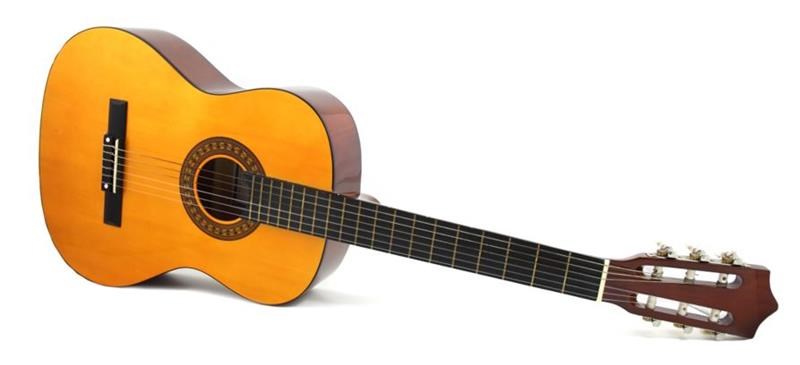
Afinar una guitarra es importante para poder tocar correctamente y para que los acordes suenen bien.
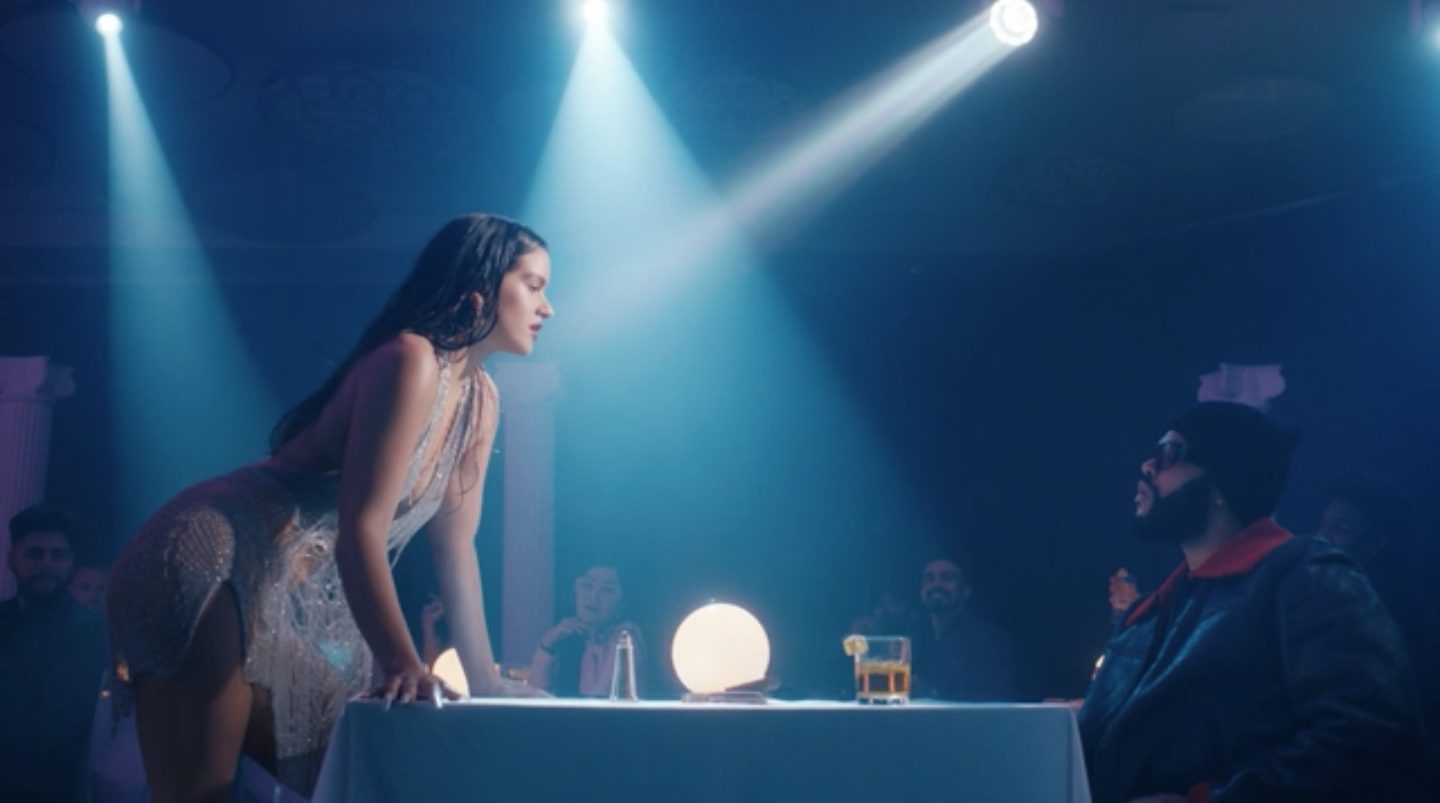
La catalana amante de los ritmos andaluces por fin está a punto de volver. Dos años y medio después de su último disco "El mal querer" en 2018, con el que ganó los Grammy, Rosalía vuelve a la escena.

 Leano Morelli
 Questo E Quello
 Takao Wazowsky
 Tony Esposito
 Noyz Narcos & Fritz Da Cat
 Mønø
Mønø
 Violante Placido
 Gem Boy
 Manuela Villa
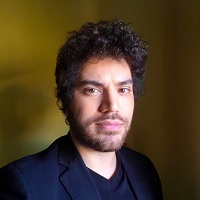 Riccardo De Stefano
 Alberto Berri
 Babaman